

Hear from Our Customers
You’ve noticed the smell. Maybe you’ve seen discoloration on the walls or dealt with a leak that “dried up” months ago. Now you’re wondering if there’s mold hiding somewhere you can’t see.
Here’s what matters: mold doesn’t stay small. It spreads fast, especially in Langhorne Manor’s humid climate where basements stay damp and crawl spaces trap moisture. The longer you wait, the more expensive the fix becomes.
Professional mold testing gives you clarity. You’ll know exactly what type of mold you’re dealing with, where it’s growing, and how much of it is in your air. That means you can make informed decisions about your home and your family’s health instead of guessing or hoping it goes away on its own.
Testing also catches problems early—before they turn into full-blown remediation projects that cost thousands. You’re not just looking for visible mold. You’re checking air quality, moisture levels, and hidden growth in places most people never think to inspect.
We serve homeowners across Bucks County, including Langhorne Manor and the surrounding areas. We focus on one thing: accurate mold testing with no conflict of interest.
We don’t sell remediation services. That means when we test your home, you’re getting unbiased results—not a sales pitch. Our job is to tell you what’s there, how much of it exists, and what it means for your property.
Every sample we collect goes to an independent lab for analysis. You get a detailed report that explains the findings in plain language, plus recommendations based on what the data actually shows. No pressure, no upselling—just the information you need to make the right call for your home.
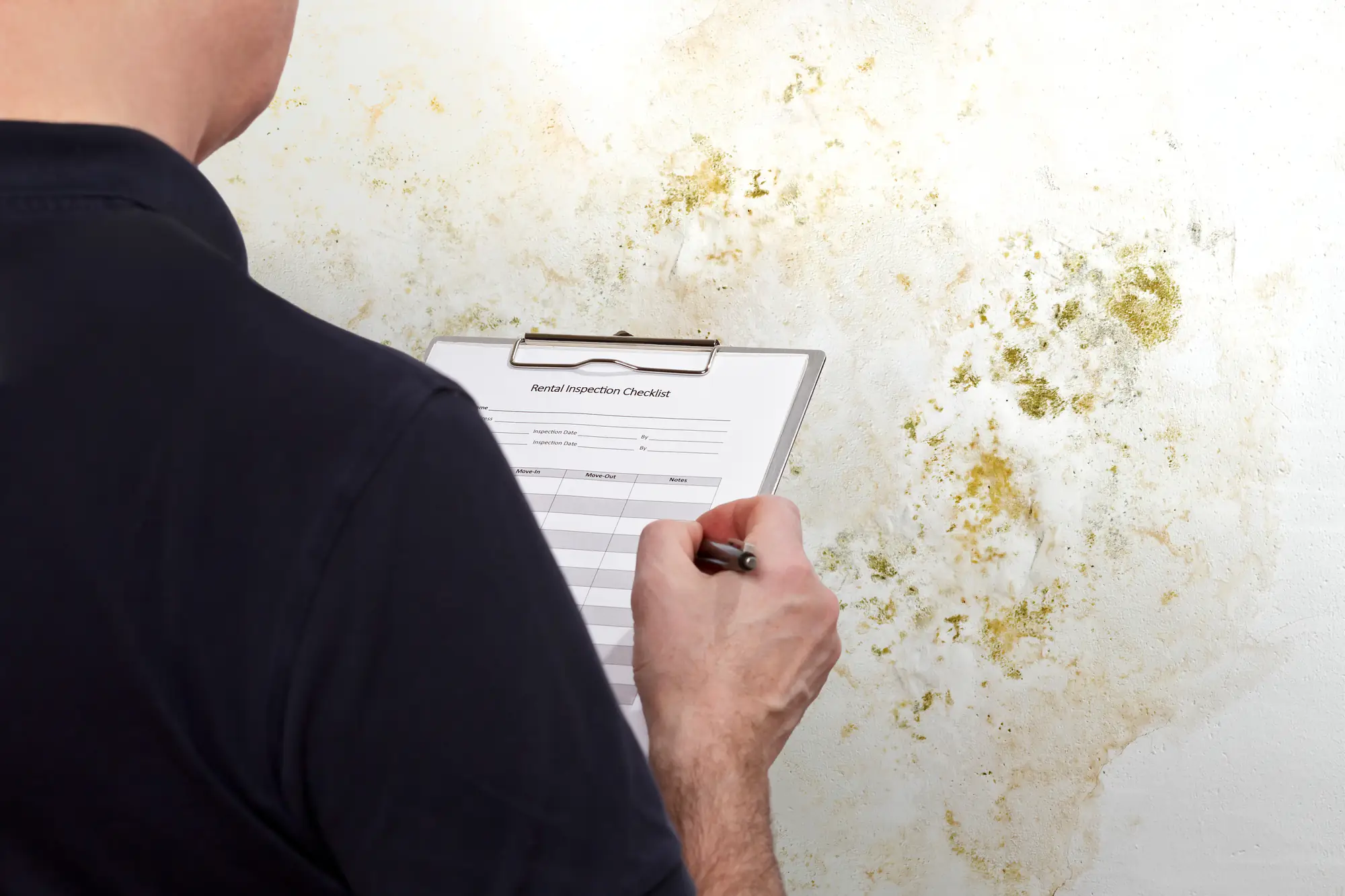
First, we talk. You’ll tell us what you’ve noticed—musty smells, water damage, health symptoms, or visible spots. We’ll schedule a time that works for you and answer any questions upfront.
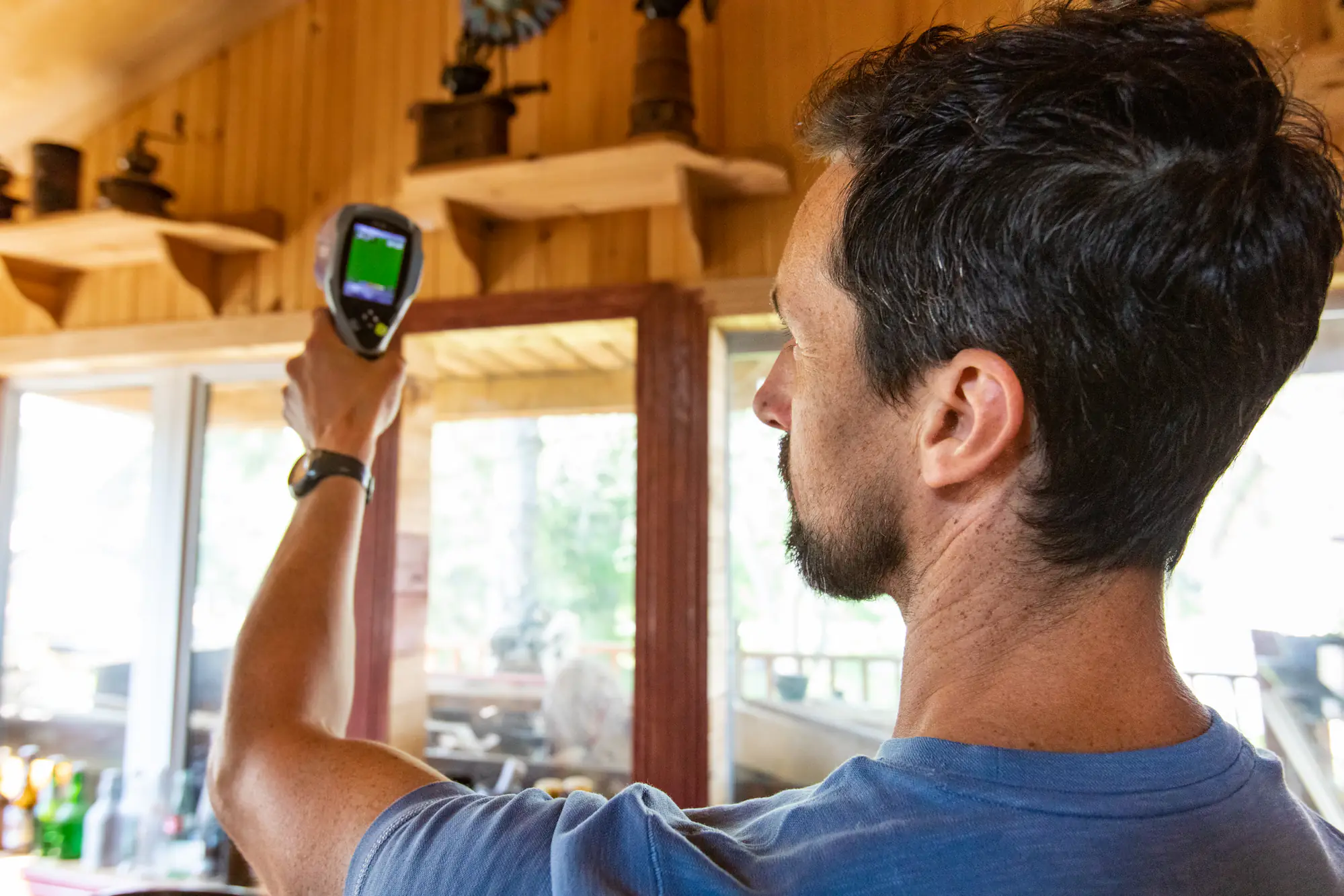
Next, we inspect. Our team examines the areas you’re concerned about, plus the spots most people overlook: behind appliances, inside HVAC systems, under sinks, around windows, and in crawl spaces or basements. We use moisture meters and thermal imaging to detect hidden water sources that fuel mold growth.
Then we test. Depending on what we find, we’ll collect air samples, surface samples, or both. Air sampling measures spore levels throughout your home. Surface testing identifies the specific mold species growing on walls, floors, or other materials.
After the lab processes your samples, we send you a full report. It breaks down what was found, where it was found, and what the contamination levels mean. If action is needed, we’ll explain your options clearly so you can move forward with confidence.
Ready to get started?
You get a visual inspection of your entire property, including high-risk areas like basements, attics, bathrooms, and kitchens. We check for visible mold, water stains, condensation, and structural damage that suggests moisture problems.
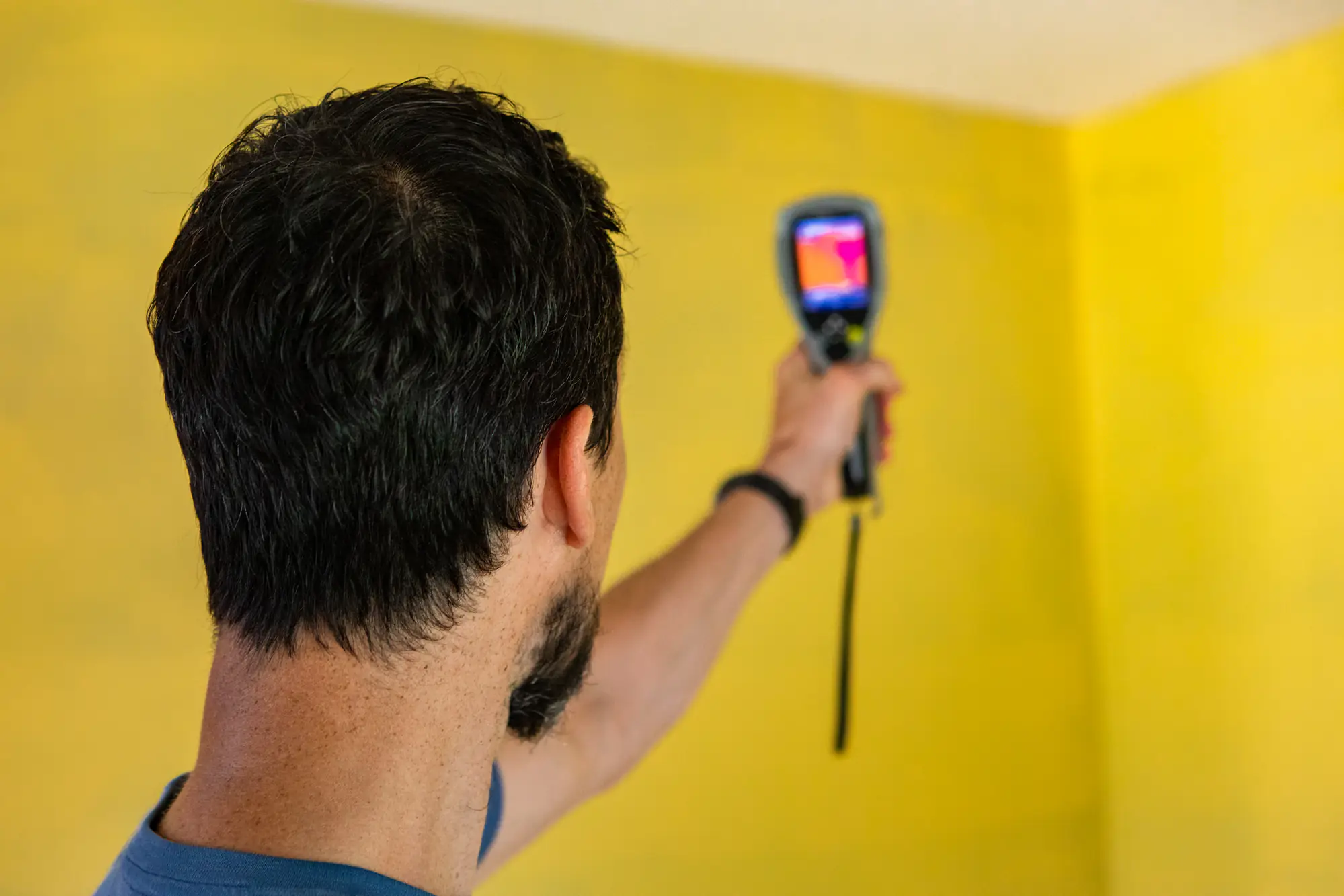
We use thermal imaging to detect temperature differences in walls and ceilings—often a sign of hidden leaks or poor insulation that traps humidity. Moisture meters measure exact levels in building materials to identify problem areas before mold becomes visible.
Air quality sampling captures spores circulating through your home. This is especially important if you’re experiencing respiratory symptoms but can’t see any mold growth. Surface testing pinpoints the exact species present, which helps determine health risks and the best approach for removal.
Langhorne Manor’s climate creates ideal conditions for mold year-round. Humid summers, wet springs, and aging homes with older plumbing mean mold testing isn’t just for emergencies—it’s smart prevention. Many homeowners here test after heavy rain, before buying or selling property, or when family members develop unexplained allergies or breathing issues.
Most residential mold inspections in Langhorne Manor range from $300 to $600, depending on your home’s size and how many samples you need. A basic inspection with one or two air samples costs less than comprehensive testing that includes multiple rooms and surface samples.
The price covers the on-site inspection, sample collection, lab analysis, and a detailed report with findings. Some companies charge extra for thermal imaging or moisture mapping, but those tools are often necessary to find hidden problems.
If you’re buying a home, the investment is worth it. Discovering mold before closing can save you tens of thousands in unexpected remediation costs. If you already own your home and suspect an issue, testing early prevents small problems from becoming expensive disasters.
DIY kits can tell you if mold spores are present, but they can’t tell you how much, what type, or whether the levels are dangerous. Most homes have some mold spores in the air naturally—the question is whether concentrations are high enough to cause health problems or structural damage.
Professional mold testing uses calibrated equipment to measure exact spore counts and compare them to outdoor baseline levels. Lab analysis identifies specific species, including toxic varieties like black mold. You also get a trained inspector who knows where mold hides and what conditions allow it to thrive.
DIY kits don’t include moisture detection, thermal imaging, or expert interpretation of results. You might get a positive result and still have no idea where the mold is growing or what to do about it. Professional testing gives you actionable information, not just a yes-or-no answer.
Most inspections take one to two hours, depending on your home’s size and layout. Smaller homes or condos might take less time. Larger properties with basements, attics, and crawl spaces take longer.
We spend time examining high-risk areas, taking moisture readings, and collecting samples. If there’s visible mold or significant water damage, we document it with photos and notes for your report.
Lab results typically come back within three to five business days. Once the analysis is complete, you’ll receive a detailed report explaining what was found and what it means. If you need results faster for a real estate transaction, some labs offer expedited processing for an additional fee.
Mold can absolutely return if the moisture problem isn’t fixed. Testing identifies where mold is growing and how severe the contamination is, but it doesn’t remove the mold or eliminate the conditions that caused it.
If you have a leaky pipe, poor ventilation, or high humidity, mold will keep coming back no matter how many times you clean it. That’s why professional testing includes moisture detection—it helps you understand what’s feeding the mold growth so you can address the root cause.
After remediation, some homeowners schedule follow-up testing to confirm spore levels have returned to normal. This is especially common after major water damage or extensive mold removal. It gives you peace of mind that the problem is actually solved, not just temporarily covered up.
The most common types in this area are Cladosporium, Penicillium, Aspergillus, and Stachybotrys (black mold). Cladosporium grows on wood, drywall, and fabrics, especially in damp basements. Penicillium thrives in water-damaged materials and often appears blue or green.
Aspergillus is common in HVAC systems and areas with poor ventilation. It spreads quickly and can trigger allergic reactions or respiratory problems. Stachybotrys, or black mold, grows on materials with high cellulose content like drywall and wood after prolonged water exposure. It’s less common but more dangerous.
Langhorne Manor’s humid climate and older housing stock create perfect conditions for all of these. Homes built before modern moisture barriers were standard often have persistent dampness in basements and crawl spaces. Professional testing identifies exactly which species you’re dealing with so you know whether you’re facing a minor cleanup or a serious health risk.
If you can see mold, you know you have a problem—but testing still tells you how big that problem is. Visible mold is often just the surface. Testing reveals whether spores have spread to other areas, how high the airborne concentrations are, and what species you’re dealing with.
Some molds are relatively harmless. Others produce mycotoxins that cause serious health effects. Lab analysis identifies the specific type so you can assess the risk accurately. Testing also establishes a baseline before remediation, which helps confirm the cleanup was effective.
Insurance companies and real estate transactions often require documented testing, even when mold is visible. It provides proof of the extent of contamination and supports claims for coverage or repairs. You’re not just confirming mold exists—you’re gathering the data you need to handle it properly and protect your investment.
Other Services we provide in Langhorne Manor